Menopause Nutrition: Protein, Bone Health and Everyday Meals
Nutrition during perimenopause and menopause is about much more than weight. Adequate protein, calcium, vitamin D and regular movement can support muscle and bone health as bodies change.
Support muscle with everyday meals
Include meaningful protein at meals from fish, eggs, legumes, dairy or soy foods. Resistance exercise, if appropriate, also helps maintain strength. Needs vary and should not be reduced to one online calculator.
Think about bone health
Calcium-rich foods include dairy, calcium-set tofu and fortified plant drinks. Vitamin D sources and supplement needs depend on sun exposure, diet and medical advice.
Make symptoms easier to manage
Regular meals, fibre-rich foods, sleep routines and noticing personal triggers may help overall well-being. Hot flashes and other symptoms have multiple causes; seek medical advice for persistent or disruptive symptoms.
Practical takeaways
- Choose a calcium-rich food daily.
- Spread protein across meals.
- Include strength-building movement appropriate to your abilities.
Frequently asked questions
Will one food balance my hormones?
No single food has been shown to regulate all menopausal symptoms.
Should every woman take supplements?
No. Discuss risk factors and intake with a clinician.
Personal nutrition support
Interested in food choices that match your preferences, routine and personal goals? Explore The Diet Co.’s personalised nutrition consultation options and ask about a plan tailored to your needs. Results vary, and medical needs should be discussed with qualified healthcare professionals.
Further reading
General nutrition education, not individualized diagnosis or treatment. Discuss medical conditions, medicines and dietary changes with your qualified healthcare team.
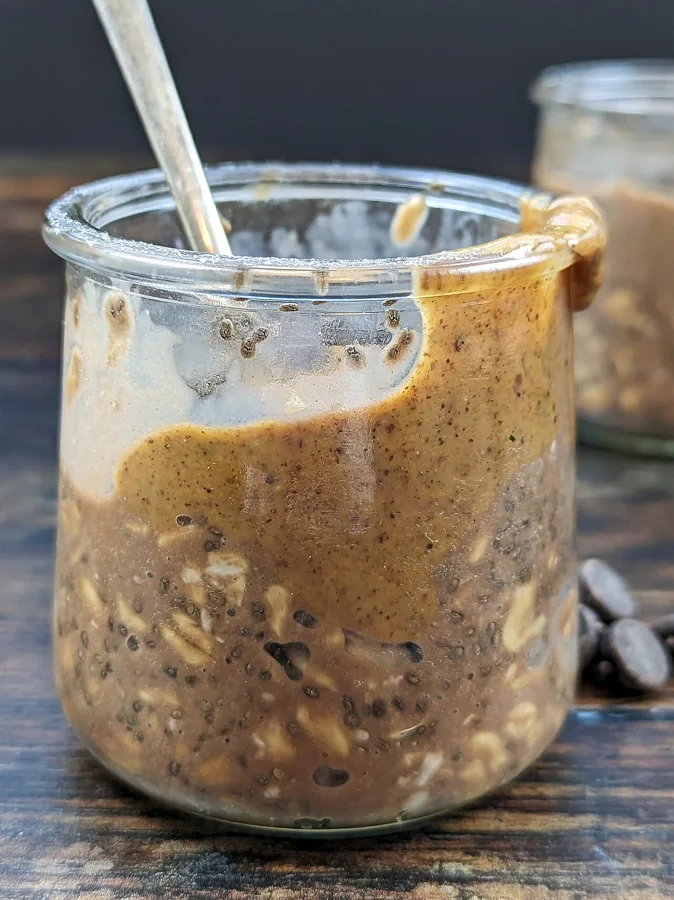
Illustrative photo: File:Protein overnight oats.jpg by Nervy8924 · CC BY-SA 4.0. Resized and converted to WebP.